
Influencer marketing in Malaysia has matured significantly over the past few years. Brands are no longer choosing influencers based only on follower count. They now evaluate engagement quality, audience trust, conversion rate, and long term brand positioning. This shift has made the discussion of KOC vs KOL in Malaysia more important than ever.
If you are planning your influencer marketing strategy in 2026, you need to understand how Key Opinion Consumers and Key Opinion Leaders function differently. While both can support brand growth, their impact, cost structure, and audience perception vary in ways that directly affect your return on investment.
Understanding KOL in Malaysia
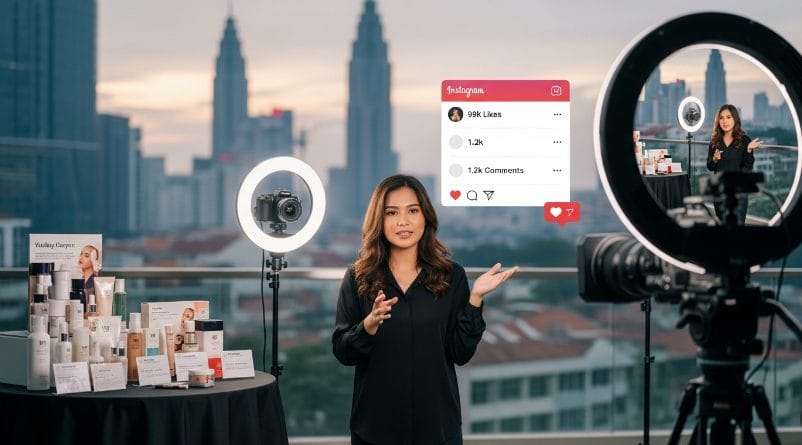
A Key Opinion Leader refers to an established influencer, expert, or public figure with a substantial following on platforms such as Instagram, TikTok, and YouTube. In Malaysia, KOLs often operate in niches like beauty, tech, fitness, parenting, finance, and lifestyle.
KOL marketing in Malaysia is typically used for brand awareness campaigns, festive promotions, product launches, and large scale digital activations. Because KOLs have built authority and recognition, their endorsements create immediate visibility. When a well known KOL features a product, it signals credibility and relevance to a broad audience.
However, audiences today are more aware of paid partnerships. That means brands must ensure the collaboration feels aligned and authentic, or engagement may decline.
Understanding KOC in Malaysia

A Key Opinion Consumer is a real user who shares personal experiences about products or services with a smaller but highly engaged community. KOCs in Malaysia usually have modest follower numbers, yet their influence lies in relatability and authenticity.
KOC marketing strategy focuses on genuine reviews, tutorials, unboxings, before and after demonstrations, and day to day usage content. Because the content feels organic, audiences are more likely to trust the recommendation.
In Malaysia’s growing social commerce environment, especially on TikTok Shop, KOCs play a strong role in driving purchase decisions. Their content mirrors real customer experiences, which reduces hesitation during the buying process.
Now let us examine the four key differences between KOC and KOL in Malaysia.
1. Audience Reach and Campaign Scale

The most visible difference between KOC vs KOL in Malaysia is audience size.
KOLs typically command large followings that range from tens of thousands to millions. One post from a popular KOL can generate significant impressions within hours. This makes KOL marketing highly effective for nationwide campaigns and brand awareness objectives.
KOCs operate on a smaller scale. Their audience may range from a few hundred to several thousand followers. While individual reach is limited, brands often collaborate with multiple KOCs simultaneously. This creates cumulative exposure across micro communities, which can be highly targeted.
If your campaign goal is fast and widespread visibility, KOL Malaysia collaborations are often more suitable. If your focus is community penetration and niche targeting, KOC Malaysia campaigns may deliver better precision.
2. Authority Versus Relatability

KOLs are perceived as industry leaders or trend setters. Their followers value their expertise, aesthetic quality, and curated content. When a KOL endorses a brand, it communicates prestige and social proof at a large scale.
KOCs are relatable consumers. Their content is usually less polished and more conversational. Instead of aspirational branding, KOCs emphasize personal experience. This relatability strengthens emotional trust, particularly among younger Malaysian audiences who prefer authentic recommendations over scripted promotions.
In 2026, relatability continues to gain importance. Malaysian consumers increasingly favor transparent reviews and real usage demonstrations. This trend strengthens the role of KOC marketing strategy for products that require deeper trust.
3. Engagement and Conversion Performance
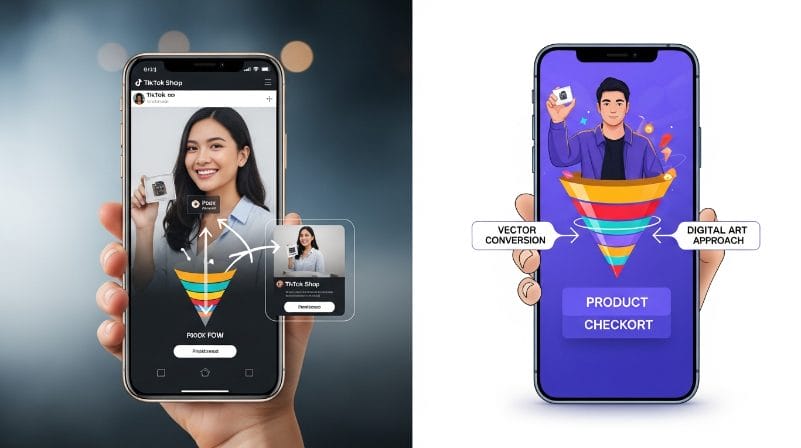
Engagement patterns differ significantly between KOC and KOL marketing in Malaysia.
KOL posts often generate high numbers of likes, shares, and comments because of large audiences. However, engagement rates can fluctuate depending on how frequently sponsored content appears on their profiles.
KOCs usually maintain stronger engagement rates relative to their follower base. Their followers feel personally connected and are more likely to ask questions or seek opinions. This interaction often leads to higher conversion potential.
For performance driven campaigns, especially in e commerce, many Malaysian brands find that KOCs produce stronger bottom funnel impact. Meanwhile, KOLs remain effective for top funnel awareness and brand storytelling.
4. Cost Structure and Budget Allocation

Cost is a defining difference between KOC vs KOL in Malaysia.
KOL collaborations typically require higher investment. Fees depend on follower size, engagement rate, platform, and content type. Larger influencers and celebrities may charge substantial campaign fees, reflecting their reach and production standards.
KOC campaigns are generally more affordable per creator. Brands can distribute the same marketing budget across multiple KOCs, generating diversified exposure. This approach reduces dependency on a single influencer and spreads risk.
For small and medium businesses in Malaysia, KOC marketing often offers a more scalable entry point into influencer campaigns. For larger brands aiming for premium positioning and mass awareness, KOL marketing remains a strategic choice.
How to Choose Between KOC and KOL in Malaysia
Choosing between KOC and KOL should start with clear objectives.
If your priority is building rapid brand awareness across Malaysia, KOL marketing is suitable. If your focus is trust building, product validation, and driving purchase decisions, KOC marketing may provide stronger returns.
Many successful brands integrate both. They use KOLs to generate buzz and visibility, then activate KOCs to reinforce credibility through multiple authentic reviews. This layered approach supports the entire marketing funnel from awareness to conversion.
In 2026, influencer marketing Malaysia strategies are shifting toward hybrid models. Brands that combine reach with authenticity tend to achieve more sustainable results.
FAQ
What is the main difference between KOC and KOL in Malaysia
The main difference between KOC and KOL in Malaysia lies in audience size and influence style. KOLs have larger followings and focus on broad brand awareness, while KOCs have smaller communities but drive stronger authenticity and trust.
Is KOC better than KOL for small businesses in Malaysia
For small businesses with limited budgets, KOC marketing can offer better cost efficiency and higher engagement rates. However, the best strategy depends on campaign objectives and target audience.
Do KOCs generate better conversions than KOLs
KOCs often generate stronger purchase intent due to relatability and authentic reviews. KOLs are more effective for awareness and brand positioning at scale.
Can brands combine KOC and KOL strategies
Yes. Many Malaysian brands combine KOLs for visibility and KOCs for trust building. This integrated approach improves overall campaign performance.
Is influencer marketing still effective in Malaysia in 2026
Yes. Influencer marketing in Malaysia remains effective in 2026, especially when brands prioritize authenticity, targeted audiences, and measurable performance metrics.
If you want your influencer campaign in Malaysia to succeed in 2026, you must align strategy with objectives. KOLs bring scale and authority. KOCs bring trust and relatability. Understanding the four key differences between KOC vs KOL in Malaysia allows you to allocate budget wisely and design campaigns that deliver measurable results.