Malaysia’s SME landscape is set for a major push following the government’s announcement of up to RM5 billion in low-cost financing aimed at accelerating growth, digitalisation, automation, and green transition. Offered at interest rates as low as three to five per cent, the financing will be channelled through licensed banks and development financial institutions, including SME Bank and Bank Rakyat, to help businesses scale beyond survival and compete in higher value sectors.
The initiative forms part of the broader PowerUp10K campaign, which targets 10,000 Malaysian businesses across different growth stages. The programme also aims to increase SME value added to above RM750 billion, train up to 100,000 entrepreneurs, and support at least 100 companies to reach RM100 million in revenue in the medium term. As of early 2026, RM2 billion in financing has already been approved under the initiative, signalling early momentum for the SME transformation agenda.
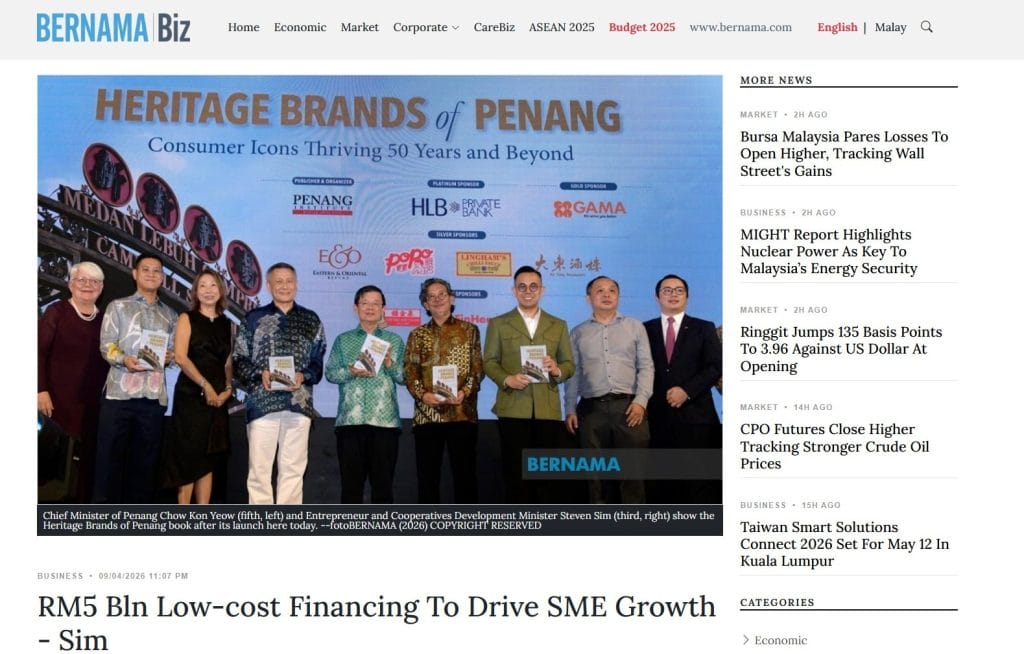
Source: Bernama. “RM5 Bln Low-cost Financing To Drive SME Growth – Sim.” Bernama Biz, 9 April 2026.
From Survival to Scaling: How the RM5 Billion SME Fund is Catalysing Malaysia’s Digital and Green Shift
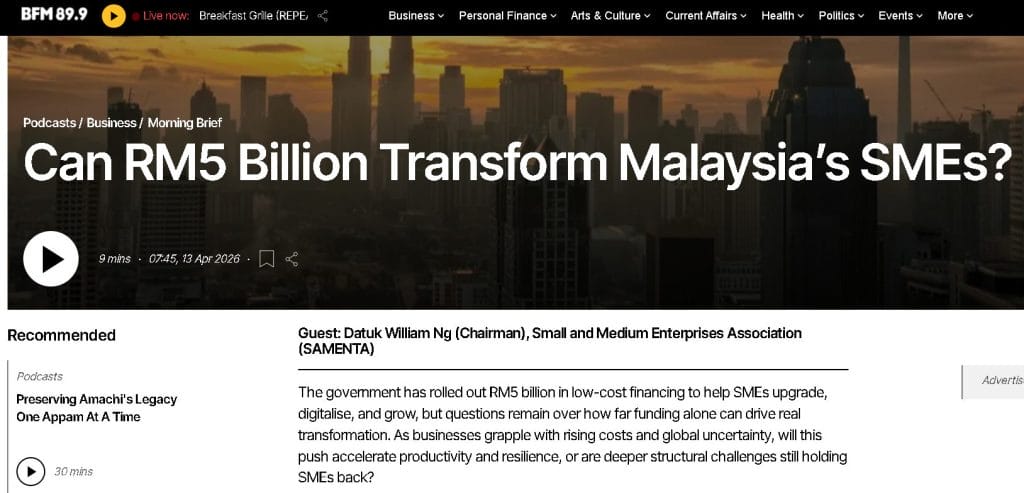
Podcast Spotlight
- Show: The Morning Run on BFM 89.9
- Episode: Can RM5 Billion Transform Malaysia’s SMEs?
- Guest: Datuk William Ng (SAMENTA National President)
- Presenters: Richard Bradbury, Keith Kam, Sharaad Kuttan
- Producers: Jake Lim, Maziah Barek Miji
The recent government announcement of RM5 billion in low-cost financing (at a 3% to 5% rate) alongside the Power Up 10K campaign has sparked crucial conversations across the Malaysian business landscape. In a recent episode of BFM 89.9’s The Morning Run , SAMENTA National President Datuk William Ng shared his perspective on the realities on the ground, discussing how these funds can best translate into long-term digital and operational resilience for local businesses.
The Capability Gap in Traditional SMEs
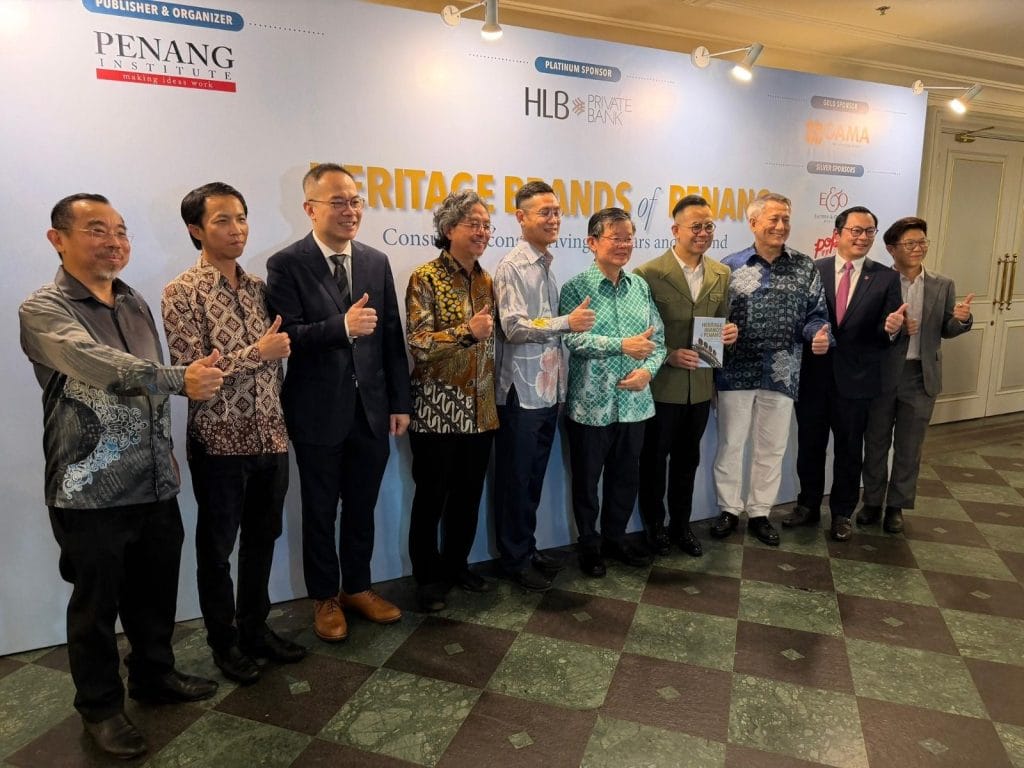
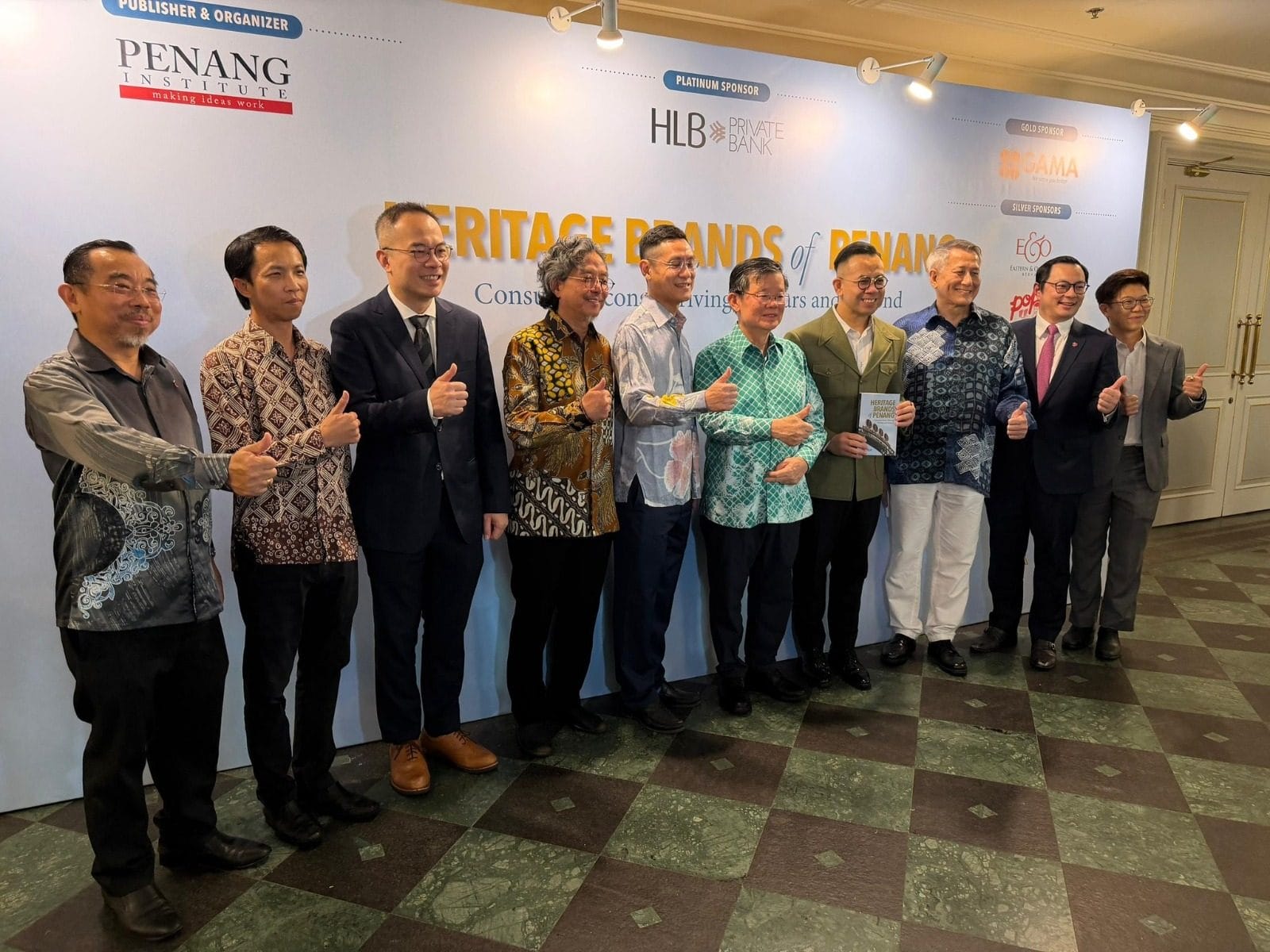
SAMENTA National President Datuk William Ng and YB Steven Sim at Recent Penang Events
Datuk William Ng points out that for many smaller, traditional enterprises, the barrier isn’t just the availability of funds, but also their accessibility. The government’s move to reserve a portion of the RM2 billion already approved specifically for first-time borrowers, coupled with strict timelines for disbursement, sets a positive precedent. This aligns with the inclusive financial support that industry associations like SAMENTA have been advocating for.
However, readiness remains a hurdle. Many local SMEs are operating with machinery that is 15 to 20 years old. Because the equipment still functions, there is hesitation to invest in upgrades. Yet, Ng highlights that the pressure to evolve is no longer just coming from domestic competition; it is being forced by global supply chains. Multinational corporations (MNCs) are increasingly mandating stringent carbon reporting and automation standards, compelling local players to adapt.
“A lot of automation and green transition that we are seeing today are actually driven by supply chain because you have the MNCs who now mandate more stringent carbon reporting… you have no choice but to invest.” — Datuk William Ng
The Energy Crisis as a Catalyst for Digitalisation
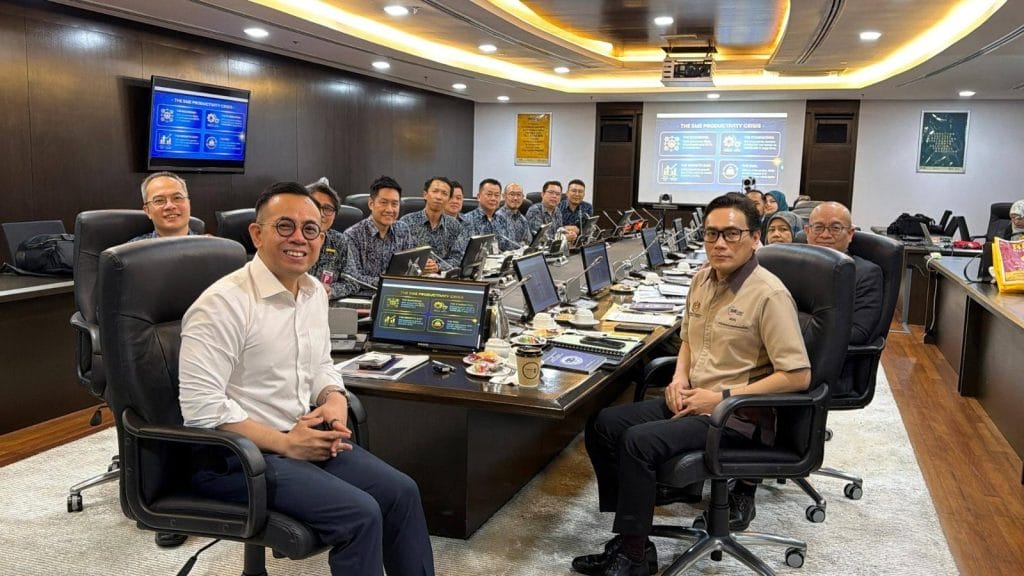
SAMENTA – Small and Medium Enterprises Association President Datuk William Ng and National Committee – courtesy visit to the Minister of Entrepreneur Development and Cooperatives (KUSKOP), YB. Steven Sim Chee Keong 沈志强 Kementerian Pembangunan Usahawan dan Koperasi
Just as the pandemic accelerated basic digitalisation, today’s energy crisis and margin compressions are forcing a faster pivot towards AI-led digitalisation and green transitions. With rising costs in raw materials, logistics, and insurance—compounded by global trade disruptions—margins have tightened drastically over the last two years.
“We need the kind of like swan event like COVID to create a migration. I think the current energy crisis would drive SMEs to a bit faster, just like how COVID drove many of us to digitalise.” — Datuk William Ng
For many, subsidised financing will serve as essential working capital to maintain immediate production. But as SAMENTA observes, the silver lining is that this push for survival is concurrently laying the groundwork for a more technologically integrated future.
A Growth Narrative for the Future Malaysian SME
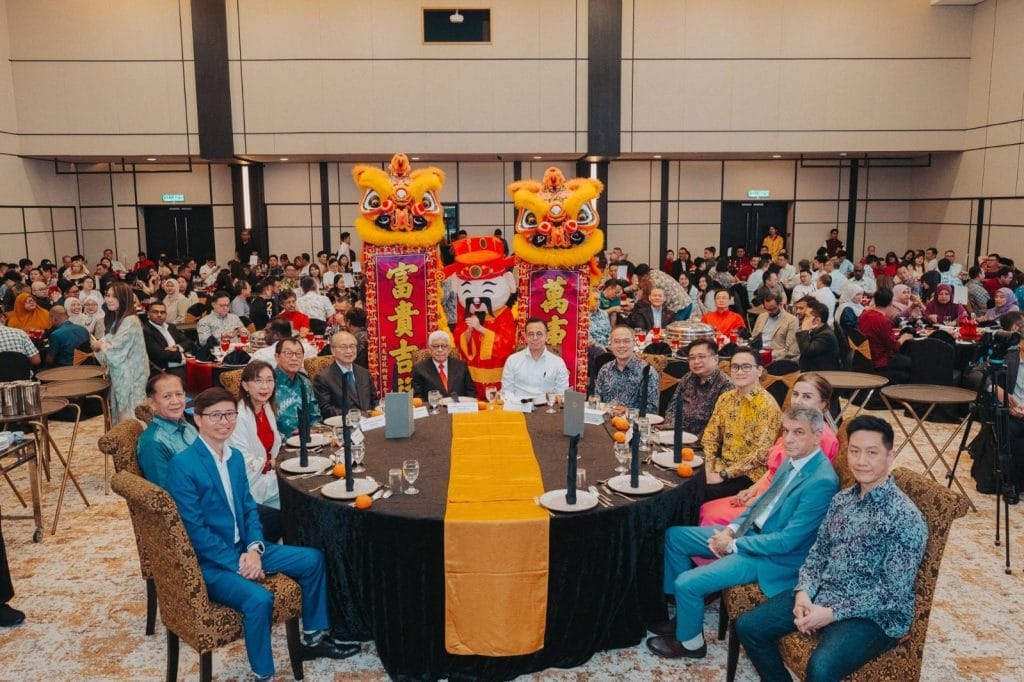
SAMENTA Recent Events SAMENTA Central Region organizing the Chinese New Year Iftar together with guest-of-honour YB Steven Sim, Minister of Entrepreneur Development, and the 8th Governor of Penang, Tun Ahmad Fuzi Abdul Razak, and SAMENTA National President Datuk William Ng
Looking at the broader picture, Ng notes that the ambitious targets set by the government—aiming to help 10,000 businesses scale, with some reaching the RM100 million revenue mark—are more than just numerical goals. They create a vital psychological shift. By pushing these targets, SMEs are encouraged to move away from a strictly defensive, survivalist mindset and toward a forward-thinking, growth-oriented strategy built on AI, efficiency, and sustainability.
“Never mind whether we hit the targets. I think what is more important is the narrative and a call for greatness. I think our SMEs need that right now.” — Datuk William Ng
Beyond the Financing: The Structural Shifts Malaysian SMEs Actually Need
While the injection of RM5 billion in low-cost financing is a much-needed booster shot for Malaysian SMEs, capital alone cannot cure systemic bottlenecks. As highlighted by SAMENTA National President Datuk William Ng on BFM 89.9’s The Morning Run, elevating SMEs up the value chain requires a fundamental restructuring of the business ecosystem, extending far beyond subsidised loans.
The Working Capital Reality Check
Following consecutive years of new taxes, compliance costs, and global economic volatility, many SMEs are operating in pure survival mode. The reality of the RM5 billion fund is that, in the short term, the capital will largely be absorbed as working capital to stabilise cash flow rather than funding immediate, sweeping technological upgrades. Ng brings a practical view to the conversation: maintaining employment and sustaining production must be secured before businesses can comfortably invest in long-term innovations.
“Every new tax, every new compliance requirement that we implemented over the past three years have resulted in further margin compression for SMEs… most SMEs are in a survival mode, you cannot expect them to invest in growth.” — Datuk William Ng
Three Pillars for Systemic Change
To move SMEs from low-value-added operations into high-growth, globally competitive entities, SAMENTA points to three necessary structural shifts. Ng notes that if these are ignored, moving up the value chain remains challenging:
- Redefining GLC Boundaries: Government-Linked Companies (GLCs) should refrain from competing with SMEs in low-value-add segments, allowing smaller businesses the market share needed to build capital and scale organically.
- Prioritising Intellectual Property (IP): The national focus must pivot toward the development and protection of IP, ensuring that value is retained locally regardless of where manufacturing takes place.
- Talent and Openness: Policies must align the education system with actual industry talent pipelines while avoiding restrictive local purchasing mandates and xenophobia toward necessary foreign talent.
“If you’re still promoting ‘Belilah Barangan Malaysia’, we’re still training our graduates for low-end retail… [and] still have this mega xenophobia when it comes to hiring foreign talents, then let’s stop pretending that we are trying to move anyone up the value chain.” — Datuk William Ng
Cutting the Red Tape
Beyond financing and structural market shifts, the most immediate relief the government can provide is operational: reducing the cost and barriers of doing business through the aggressive cutting of regulations and red tape. Associations like SAMENTA have actively engaged the government on this front, and these efforts have visibly reduced bureaucratic friction compared to previous years. However, as Ng emphasises, the pace of reform must continue to accelerate to ensure Malaysian SMEs remain globally competitive.
“We need to cut our cost of doing business and our barriers to doing business. That means less regulations, less red tapes, and generally less government.” — Datuk William Ng
KUSKOP Achievement under the Madani Government
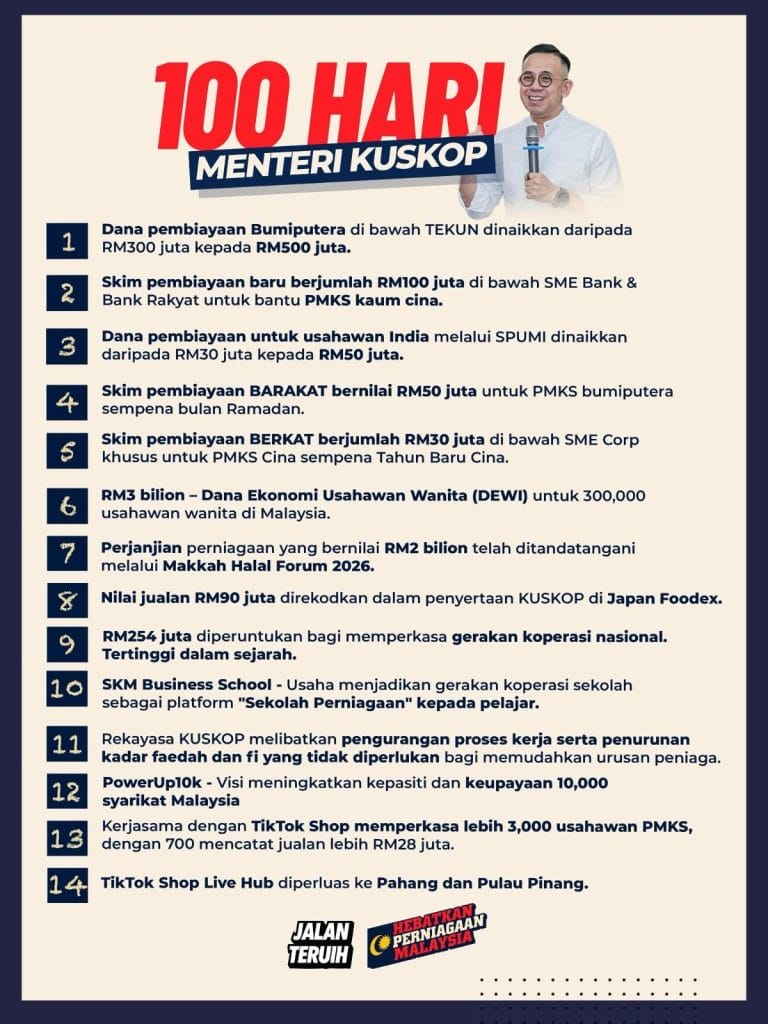
Alongside the RM5 billion financing push, KUSKOP has rolled out a series of initiatives within its first 100 days to strengthen SME funding, capability building, and market access.
These include expanded financing through TEKUN, SME Bank, Bank Rakyat, and SPUMI, as well as targeted programmes such as BARAKAT and BERKAT. The RM3 billion Dana Ekonomi Usahawan Wanita further supports women entrepreneurs at scale.
KUSKOP has also focused on growth and market access. The PowerUp10K initiative targets scaling 10,000 Malaysian companies, while international engagements such as the Makkah Halal Forum and Japan Foodex generated new business opportunities for SMEs.
Digital commerce efforts were expanded through collaboration with TikTok Shop, alongside the rollout of additional live commerce hubs. Together, these measures complement the RM5 billion financing initiative and support SMEs in moving from survival to scaling.
The RM5 Billion Push. Catalyst for SME Transformation
The RM5 billion low-cost financing initiative signals a strong push to help Malaysian SMEs move beyond survival and invest in productivity, digitalisation, and green transition. As discussed in the BFM podcast, funding provides breathing space, but real transformation depends on how businesses deploy the capital. SMEs that use the financing to automate, adopt AI, upgrade equipment, and scale into higher value supply chains are more likely to see lasting impact, especially as global customers increasingly demand efficiency and sustainability standards.
At the same time, financing alone will not deliver structural change. Reducing regulatory burdens, strengthening talent pipelines, supporting IP development, and expanding market access remain critical to long term competitiveness. The RM5 billion initiative, therefore, serves as a catalyst, not a complete solution. Combined with programmes like PowerUp10K and broader ecosystem reforms, this push can help Malaysian SMEs shift from defensive survival mode toward growth, resilience, and regional expansion.
Interested in PowerUp10K?
Businesses looking to benefit from the PowerUp10K campaign can apply through participating financial institutions and agencies, as financing is distributed via strategic partners rather than directly through KUSKOP. These include SME Bank, Bank Rakyat, TEKUN Nasional, and selected commercial banks such as RHB and CIMB.
Identify the most suitable scheme, prepare basic documents such as SSM registration, owner identification, and recent bank statements, then submit your application online or at participating branches. Approval timelines vary by institution, with some programmes targeting decisions within about one month.