Video production Malaysia has a new line on its invoice, and it is not a crew day rate. In the first quarter of 2026 China released about 128,000 microdramas and more than 122,000 of them were made with AI. At the same time the live-action studios that used to make them emptied out. Hengdian, the largest of them, went from 4,016 new vertical-drama crews in 2025 to 1,499 by the end of May 2026. Director day rates there roughly halved. The money did not leave the industry. It moved to a different meter.
That shift is what this article is about, because two things now follow from it for anyone buying or selling video production in Malaysia. Production capacity is being bought per generated second instead of per crew day, and the cost of a mistake is no longer a reshoot but a retry. Both change how a production budget should be written.
There is also a Malaysian warning inside the same story, and it arrived in June 2026. Tourism Malaysia posted an AI-generated promotional video for the Citrawarna 2026 cultural festival, and removed it two days later after the public found an error in it. That is the failure mode to design around, and it lands before the season rather than after it.
Last updated: 17 November 2026. Figures are as published between May and November 2026. Chinese prices are converted at an indicative rate of 0.6130 ringgit per yuan from an open exchange-rate API read on 17 November 2026, and the converted figures are indicative rather than quoted prices.
Video production Malaysia and the new cost line
The mechanics matter here because they are ordinary commercial mechanics rather than a technology story.
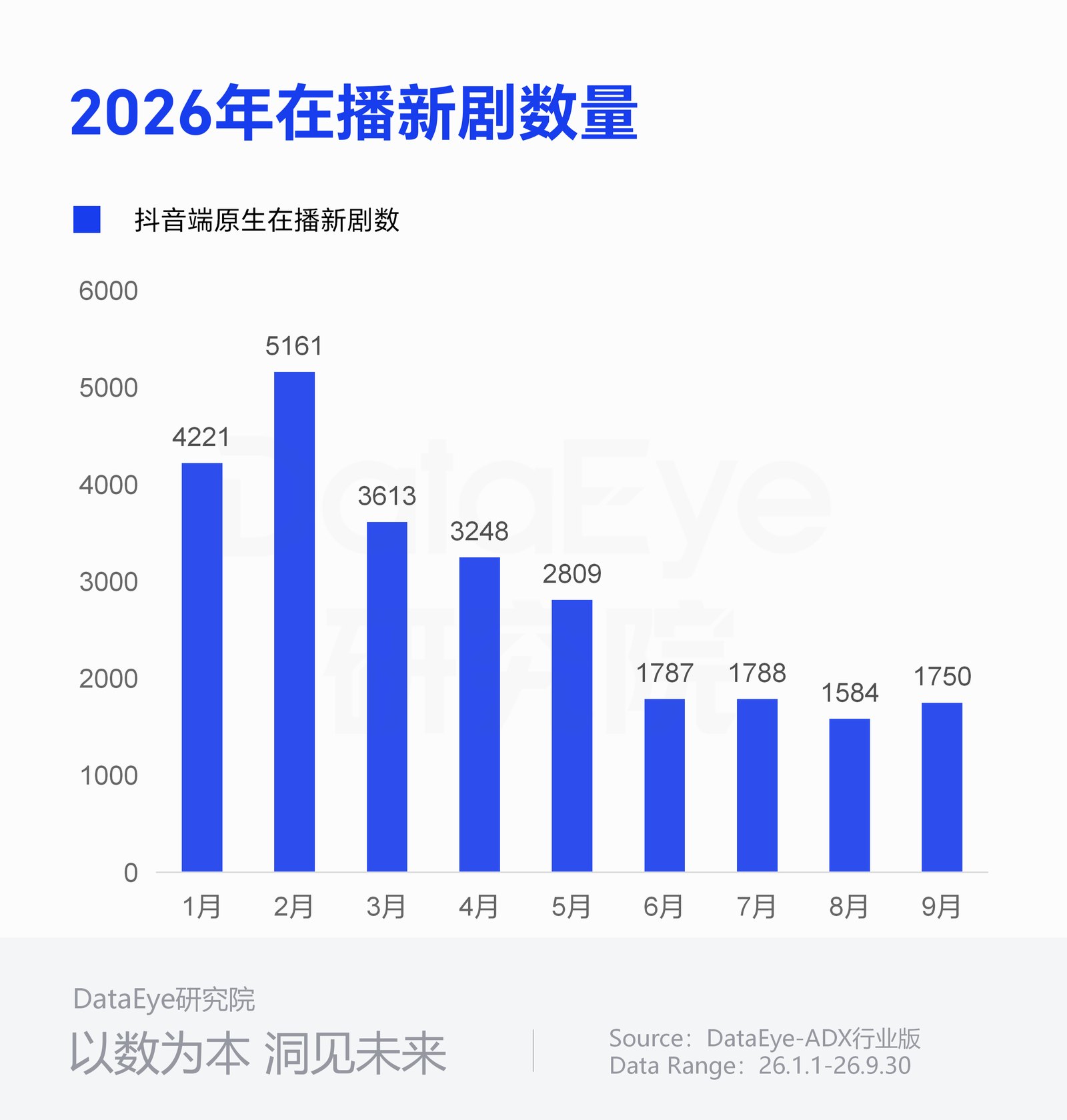
Source: Yicai, 11 November 2026, reporting DataEye. New live-action short dramas on air on Douyin through the first half of 2026. The same report notes that around ninety per cent of short-drama practitioners switched to making AI dramas this year. Original article: finance.sina.com.cn/roll/2026-11-11/doc-iniykehe9171669.shtml
Three things moved at once. Live-action titles on the platform fell from 5,161 in February to 2,800 in May and to about 1,000 in June. Around ninety per cent of the people who worked on short dramas switched to making AI ones. And the price of a title collapsed: a live-action fifty-episode drama cost about RM183,880 to RM306,490 to make, against about RM18,388 to RM30,649 for the AI version, a reduction of seventy to eighty per cent.
| Line item | Live action | AI |
|---|---|---|
| Cost of one fifty-episode short drama | RM183,880 to RM306,490 | RM18,388 to RM30,649 |
| Production time for an 80 to 120 minute title | about 3 months | about 10 days |
| Price per finished minute | billed as a production | RM184 to RM307 standard, RM490 to RM613 premium |
| Short-drama director day rate at Hengdian | RM3,065 to RM3,678 | RM1,226 to RM1,839 |
| Occupancy of Hengdian studios | near full in 2025 | about 80 per cent vacant |
Source: Yicai, 11 November 2026, reporting DataEye. Figures converted at an indicative rate of 0.6130 ringgit per yuan from an open exchange-rate API read on 17 November 2026. The ringgit values are indicative, not quoted prices.
Read that table as a budget line, not as a technology benchmark. The customer’s spend did not fall by eighty per cent. The producer’s bill fell, and the difference sits with the platform, which now buys volume instead of headcount.
There is a second-order effect that matters for anyone planning a launch. The economics of buying attention deteriorated while the cost of making content fell. DataEye recorded that the price of buying traffic in 2026 runs at RM91.9 million to RM104.2 million a day, that traffic costs more than double what they did a year earlier, that they now account for seventy to eighty per cent of total spend, and that a bought piece of traffic lives about seven days. Revenue per ten thousand views fell from about RM18 to RM61 to about RM3 to RM6. Douyin alone added 221,900 new AI comic-drama titles in the first half of 2026, and 1,055 of them passed 100 million views, which is 0.48 per cent.
So the new meter is not free volume. It is a lower cost per finished second bought into a market where attention is dearer and shorter-lived.
The visitor product: two different answers
Two Chinese attractions answered the disruption in opposite ways, and both are worth copying or avoiding deliberately.
Hengdian sold the crew to the visitor. With live-action crews down by around two thirds and studios standing empty, the Hengdian film city opened a visitor short-drama service in August 2026. A tourist picks a script, a makeup artist and a director handle styling and blocking, and the finished cut runs about a minute. The individual tier starts at about RM238 per person, with group tiers at about RM2,329 and about RM7,356, and a park ticket with a shoot bundle at about RM306. The busiest day of the National Day holiday ran 70 to 80 orders, with roughly 40 on other days and above 10 in most of October before the seasonal drop. One reporter’s own run took 75 minutes end to end.
Yunhe Terraces sold the generation to the visitor. On 19 August 2026 the Yunhe Terraces scenic area in Lishui, Zhejiang opened what its operator describes as the first AI short-drama customisation centre at a scenic spot in China. A visitor photographs themselves, records one line of dialogue, and about 30 minutes later leaves with a short drama in which they star, set against the real terraces. The list price is RM244 a minute. The scenic area subsidises RM184 of that, so the visitor pays RM60 per minute of finished short drama. The stated design goal was to move AI content off institutional pricing and into ordinary consumer spending, and a training base opened alongside it for local guides, homestay owners and rural creators, with graduates going straight onto paid content orders.
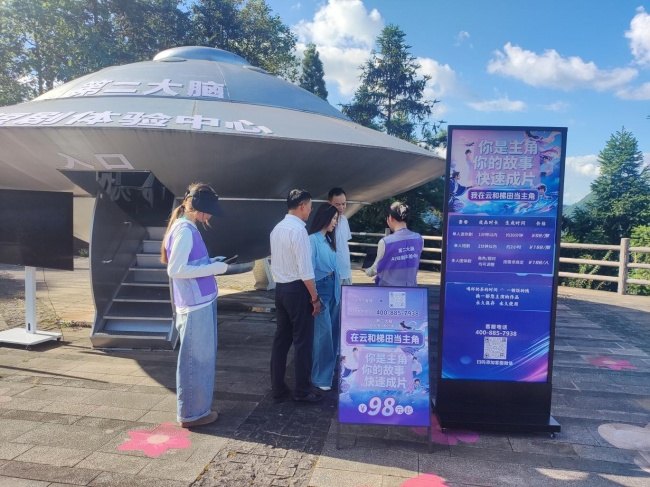
Source: China Daily Chinese service, 21 August 2026. Visitors at the AI short-drama customisation centre in the Flying Saucer House at Yunhe Terraces, Lishui, Zhejiang. The centre opened on 19 August 2026 and is operated with the Second Brain Artificial Intelligence Research Institute. Original article: cn.chinadaily.com.cn/a/202608/21/WS6a87f5aea3105d3d7a27c3aa.html
For a Malaysian attraction, hotel, tour operator or heritage site, the second model is the one with a price list already attached and a subsidy mechanism that makes it cheap for the visitor and still profitable for the operator. A city, a mall or a heritage trail has something Hengdian does not, which is a place worth being in. The same report records that a second centre opened at the Three Kingdoms Water Margin City in Wuxi in October 2026, priced from RM60 for a standard script and RM121 for a premium one.
The Malaysian test case: a video pulled in 48 hours
In June 2026 Tourism Malaysia published a promotional clip for the Citrawarna 2026 cultural festival, running 24 to 26 July at Dataran Merdeka. It was animated by AI, and it showed the Visit Malaysia 2026 mascots walking through an AI-generated Dataran Merdeka alongside roti canai being made, traditional dancers, wood carvers and Malaysian delicacies.
The public found problems with it. The teh tarik had none of the froth that comes from hand-pulling. The ketupat looked unnaturally textured. And the Jalur Gemilang, the Malaysian flag, was rendered mirrored, with the stripes running the wrong way. The video was posted on 22 June and removed on 24 June.
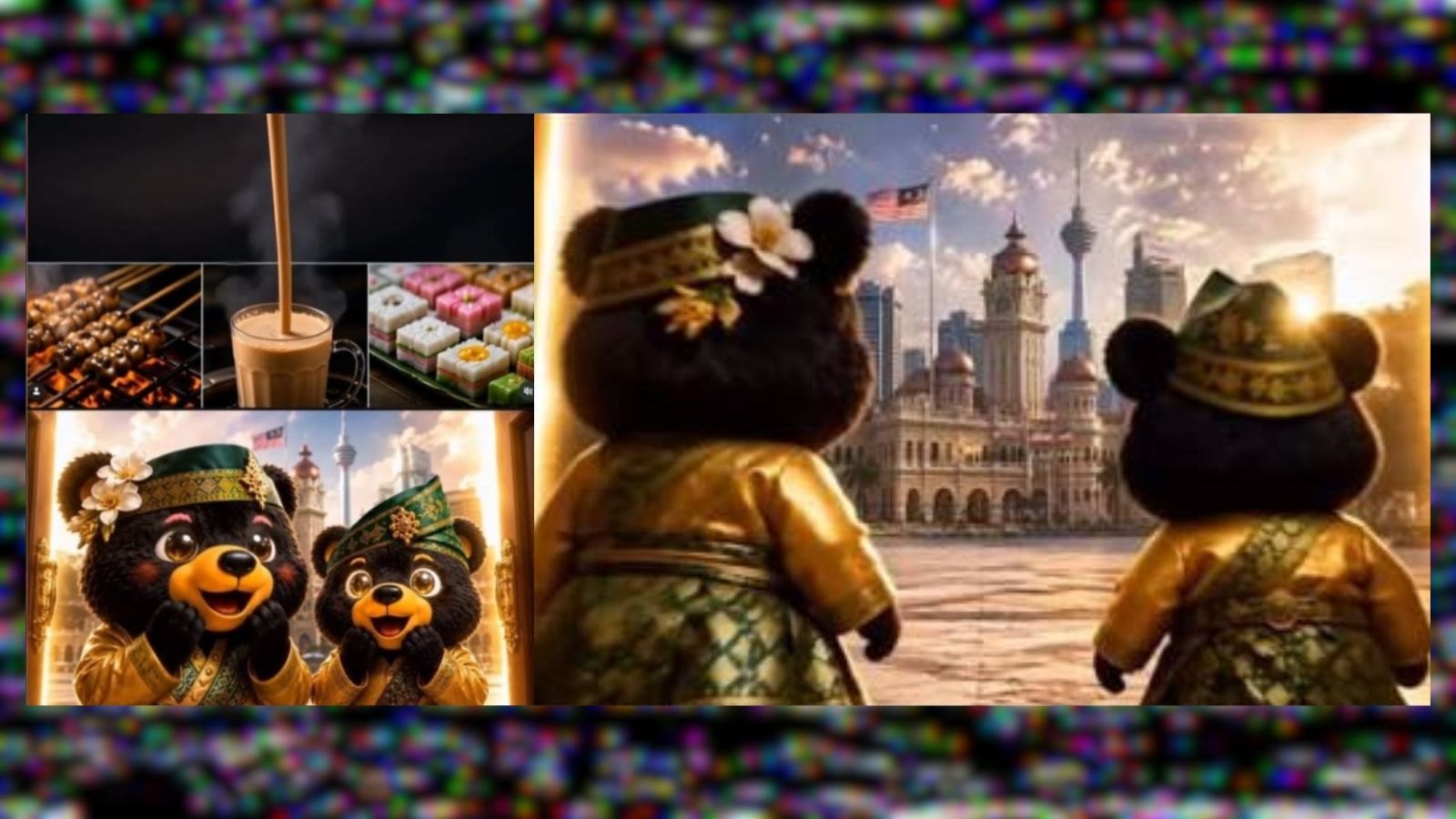
Source: Marketing-Interactive, 2 July 2026. A frame from the AI-generated Citrawarna 2026 promotional video that Tourism Malaysia published on 22 June 2026 and removed on 24 June 2026 after criticism. The flag in the frame was rendered mirrored. Original article: marketing-interactive.com/tourism-malaysia-pulls-ai-made-citrawarna-2026-video-after-backlash
The response that got quoted was not about cost. The actor and comedian Harith Iskander put it this way: “What concerns me most is not that maybe this was a cost-saving measure. It’s scary because the decision makers sat around, looked at this AI ad and said to themselves, ‘That’s good enough’.”
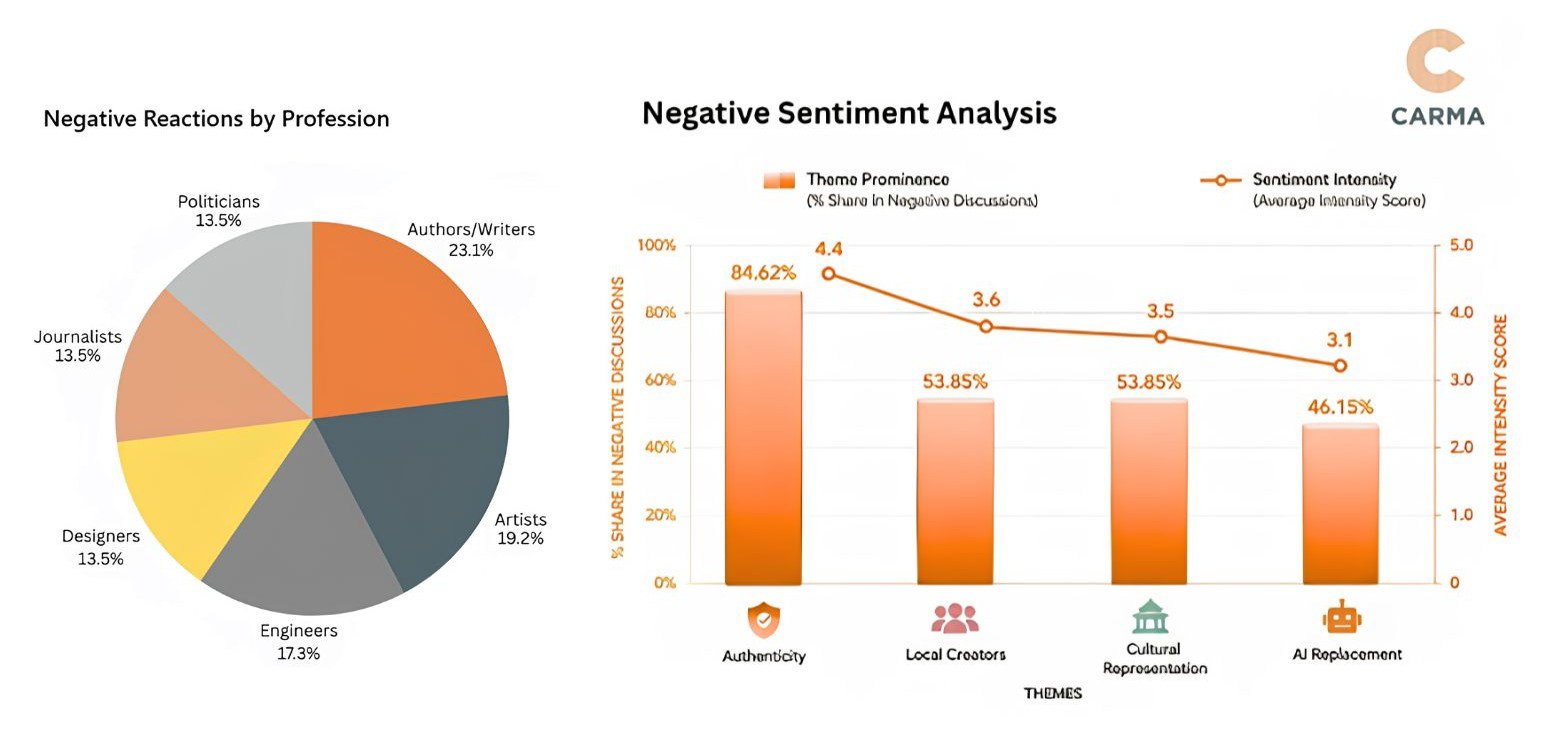
Source: CARMA social listening data, published by Marketing-Interactive on 2 July 2026, on the negative reaction to the Tourism Malaysia AI video. Authenticity was the dominant theme at 84.62 per cent, and authors, writers and artists accounted for the largest share of negative reactions by profession. Original article: marketing-interactive.com/tourism-malaysia-pulls-ai-made-citrawarna-2026-video-after-backlash
Two findings there matter more than the flag. First, the objection was not to AI. It was to authenticity, and the complaints that followed were about local creators being left out of a campaign meant to represent Malaysian culture. Second, the loudest critics were the people who make things for a living, which is a warning for any Malaysian business about to hand a brand asset to a generator.
The comparison that followed was not flattering to the official film. Viewers held the AI version up against the Visit Malaysia 2026 campaign made with the filmmaker Sofyank for Grab, and preferred it. The lesson is narrow and useful: AI is acceptable where it adds to human creative production, and unacceptable where it stands in for it.
What a Malaysian operator should do about it
- Write the meter into the quote. Ask for a per-second or per-minute figure alongside the day rate, and price the two options as a pair. A generation-based quote and a crew-based quote answer different questions, and a client who has seen both will ask for the generation number whether or not you offer it.
- Budget for the retry, not the take. Around a quarter of generated clips do not survive review, and short-drama teams reroll three to five times per shot, more when they are new to it. If a price assumes one attempt, the margin is already gone.
- Check the national flag, the currency and the language. The Citrawarna video failed on the flag. A mirrored flag is a reputational event in a country where the flag is not a graphic element.
- Keep a named creative on the credit line. The backlash was strongest among the people who were excluded. A generator is not a substitute for a director or a photographer in the room, and saying who made it is cheaper than the correction.
- Do not plan the launch on attention you will buy. Traffic costs have more than doubled year on year and bought attention lives about seven days. AI lowers the cost of making the video; it does nothing for the cost of being watched.
The rules are arriving
Malaysia’s Risk Mitigation Guidelines under the 2025 Cybersecurity Act took effect on 1 January 2026 and require licensed platforms to put measures in place for AI-generated content. Rules effective 1 June 2026 extend labelling to modified and fabricated material, and the Communications Minister has said he intends to require social and messaging platforms to mark AI-generated and AI-enhanced content through an amendment, with implementation expected at the end of 2026 or in early 2027. He also said MCMC is studying licensing requirements for applications that use AI.
The enforcement numbers show the direction of travel. MCMC submitted 1,602 takedown requests for AI-related fraudulent content between 1 January and 31 August 2026 and 1,346 were actioned, a compliance rate of about 84 per cent. For manipulated images and audio specifically, 13,122 removal requests between 1 January and 30 June 2026 produced 12,353 removals. Complaints about deepfake content went from 917 in 2024 to 3,612 in 2025 and 7,967 by 15 June 2026. Non-compliance is prosecutable, with fines of up to RM1 million and an additional financial penalty of up to RM10 million. The AI Governance Bill is now expected in early 2027, having slipped from the end of 2026.
For an operator, the practical point is that a labelled asset is a normal asset. Build the disclosure into the delivery rather than into a press release.
What could not be confirmed
- Any Malaysian attraction selling a visitor-facing AI short-drama product. Searches across Penang, Malacca, Langkawi, Sabah, Sarawak, Genting and i-City found AI photo booths, an AI animated short film in Kuching, an AI heritage short film in Sabah, an augmented reality heritage trail in George Town and a live-action vertical drama in Genting. No confirmed AI short-drama product priced for visitors was found. That is a gap in the search, not proof that none exists.
- Whether the Hengdian visitor shoot is AI-generated. Every source describes it as live action with real directors, makeup and editing. It is the human-paid version of a market AI has emptied, which is the opposite of what a visitor might assume.
- The primary report behind the market-share and break-even figures. The industry report cited on the wedding and short-drama market size was read through a national news write-up, not opened directly.
- Malaysian search demand for the long phrases. Queries for tourism video production Malaysia, AI tourism Malaysia and AI short drama returned no data in the Malaysian keyword database on 17 November 2026. The phrase for video production Malaysia recorded 260 searches a month at difficulty 20, and AI video Malaysia recorded 10 a month at difficulty 16, rising from zero a year earlier. No data is not zero.
Frequently asked questions
Will AI reduce the cost of video production in Malaysia?
The production bill falls and the attention bill rises. Live-action short-drama production in China costs roughly seventy to eighty per cent more than the AI equivalent, and a director day rate at Hengdian roughly halved. Against that, traffic costs more than doubled year on year in China and now account for seventy to eighty per cent of spend in that format.
How much should a generated video minute cost?
For short-drama style production in China, published figures run from about RM184 to RM307 a minute for standard work and RM490 to RM613 for premium, against a live-action fifty-episode drama at RM183,880 to RM306,490. A visitor-facing scenic product in China is priced differently again, at about RM60 a minute paid by the visitor.
Can a Malaysian business use AI-generated video in a campaign?
Yes, and the record is mixed. The Tourism Malaysia AI video was pulled after two days over accuracy and authenticity, with authenticity named as 84.62 per cent of the negative reaction. The same audience preferred a campaign made with a named filmmaker. Commission the generation, but keep the creative authorship visible and check the national symbols before it goes out.
Do I have to label AI-generated video in Malaysia?
Platform labelling rules are in force, and more are coming. The Risk Mitigation Guidelines under the 2025 Cybersecurity Act took effect on 1 January 2026, rules from 1 June 2026 cover modified and fabricated content, and an amendment requiring AI-generated and AI-enhanced labels on social and messaging platforms is expected at the end of 2026 or in early 2027.
Sources
- CCTV Economics Channel, Microdrama creation guidance: AI-made titles exceed ninety-five per cent of releases in the first quarter of 2026, 28 May 2026 — jingji.cctv.com/2026/05/28
- Yicai via Sina Finance, Hengdian under the AI shock: visitors queue to act, director day rates halved, 11 November 2026 — finance.sina.com.cn/roll/2026-11-11/doc-iniykehe9171669.shtml
- China Daily Chinese service, AI short-drama customisation centre lands at the 5A scenic area of Yunhe Terraces, 21 August 2026 — cn.chinadaily.com.cn/a/202608/21/WS6a87f5aea3105d3d7a27c3aa.html
- Wuxi Binhu District People’s Government, Wuxi Three Kingdoms Water Margin City AI short-drama customisation centre, 19 October 2026 — wxbh.gov.cn/doc/2026/10/19/4844570.shtml
- Huxiu, AI short-drama cost structure and traffic economics, reporting Securities Times, 9 October 2026 — huxiu.com/article/4902235.html
- Marketing-Interactive, Tourism Malaysia pulls AI-made Citrawarna 2026 video after backlash, 2 July 2026 — marketing-interactive.com/tourism-malaysia-pulls-ai-made-citrawarna-2026-video-after-backlash
- Guangming Daily Malaysia, Communications Minister on AI deepfake takedown requests and planned labelling rules, October 2026 — guangming.com.my
- Sin Chew Daily Johor, Malaysia’s AI content rules under the 2025 Cybersecurity Act, January 2026 — johor.sinchew.com.my
- Malaysian Digital Association, Digital Adex 2025, read 17 November 2026 — malaysiandigitalassociation.org.my
- Open Exchange Rates API, US-dollar spot rates against the ringgit and the Chinese unit, read 17 November 2026 — open.er-api.com — latest US-dollar rates
- SE Ranking, DATA_getKeywordsMetrics, source MY, measured 17 November 2026 — internal SEO record, see the demand block in meta.json
BD Media is the editorial desk of Big Domain. This article records published figures and reported statements as at 17 November 2026. It is not procurement advice, and converted prices are indicative rather than quoted.